
2026 ATEA Conference
HOSTED BY GRIFFITH UNIVERSITY GOLD COAST CAMPUS
1st – 3rd July 2026
(ECR/HDR Pre-Conference Day - 30th June)
“TRANSFORMING TEACHER EDUCATION: Preparing teachers to be the subjects and agents of change"
ATEA’s 2026 Conference will be hosted by Griffith University on the vibrant Gold Coast, situated on Kombumerri Country within the Gold Coast Health and Knowledge Precinct. The conference will open with a Welcome to Country conducted by Elder and Songwoman Dr Candace Kruger.
The theme highlights the pivotal role of teacher education in shaping adaptable and future-focused educators, with particular attention to societal change, artificial intelligence, Indigenous education, neurodiversity, generational theory, democracy, sustainability, misinformation, critical thinking, and creativity.
The program will feature keynotes from leading scholars, an Early Career Researcher Day led by Griffith’s ECR team, and multiple formats for sharing research and practice, including papers, symposiums, and hot-topic debates. Delegates will enjoy a Welcome Event at Griffith’s Campus Link, featuring some of Griffith University’s talented students from the Queensland Conservatorium of Music.
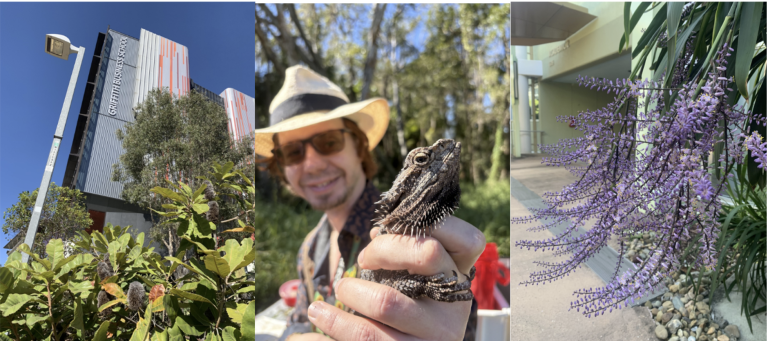
Griffith’s Gold Coast campus offers a modern, world-class environment with convenient light rail access, nearby accommodation, and proximity to stunning beaches. The campus also features over 10 hectares of exhibition gardens displaying more than 230 species of native plants, including culturally significant and conservation plantings, bush-tucker gardens, and water-sensitive landscapes—placing Griffith among the top 10% of universities globally for biodiversity.
Conference Theme and Strands:
Democracy, Generational Voices, and Social Transformation
Explores how shifting generational perspectives and democratic values shape education and society. This strand invites inclusive dialogue on how communities adapt, innovate, and lead meaningful change and transformation together.
Technology, Artificial Intelligence, and Critical Thinking
Investigates the opportunities and challenges of artificial intelligence and emerging technologies, highlighting the role of critical and ethical thinking in shaping just, equitable, and creative futures for education and society.
Indigenous Knowledges, Inclusion, and Diverse Ways of Knowing
Centres Indigenous knowledge systems and inclusive approaches—embracing neurodiversity and multiple worldviews—to reimagine education that honours diversity, fosters belonging, and celebrates thriving communities.
Creativity, Sustainability, and Imagination for Change
Considers how creativity and imagination can drive solutions to ecological, social, and economic challenges. This strand emphasises the power of innovation and collective visioning in building sustainable and hopeful futures.
Teaching, Learning, and Leading in the 21st Century
Explores the policies, pedagogies, and practices shaping teaching in contemporary times. This strand considers the possibilities and responsibilities of educators in co-creating vibrant futures for learners, communities, and the wider world.
Wellbeing, Belonging, and Flourishing Identities
Focuses on fostering positive cultures, mental health, resilience, relationships, and professional identity in education. This strand highlights the importance of connection and care in enabling individuals and communities to flourish.
Conference Location
Buildings G42 & G30,
Griffith University, Parkland Drive, Gold Coast
BUILDINGS LOCATION MAP
Information Map
Keynote Speakers
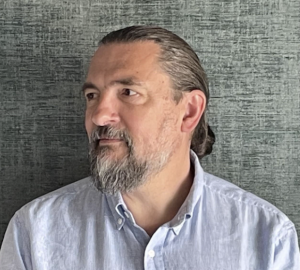
Professor Alexander (Sasha) M. Sidorkin
Alexander M. Sidorkin is a professor of Education at Sacramento State University. He previously served as Dean and Chief Artificial Intelligence Officer. As a scholar he has made contributions to educational theory, philosophy, pedagogy, teacher education, and higher education leadership. His recent book is Embracing Chatbots in Higher Education: The Use of Artificial Intelligence in Teaching, Administration, and Scholarship, was published by Routledge in 2024, and the next one, AI-Enhanced Pedagogies: Rethinking Learning, Curriculum, and Human Potential in the Age of Intelligent Machines is expected to be published in 2026. For more information see http://sidorkin.com

Professor Amy Cutter-Mackenzie-Knowles
Professor Amy Cutter-Mackenzie-Knowles is the Executive Dean of Southern Cross University’s world-leading Faculty of Education, as well as the Research Leader of the ‘Sustainability, Environment, and the Arts in Education’ (SEAE) Research Centre. She is a career primary-secondary school teacher. Professor Cutter-Mackenzie-Knowles is one of the youngest women in Australia to be made a full professor at the age of 37. Her research centres on climate change, childhoodnature, posthuman philosophy, and child-framed research methodologies. She is particularly focused on the pivot points between education, science, and philosophy. Professor Cutter-Mackenzie-Knowles has led over 40 national/international research projects, and is presently the lead researcher on a 2024 Australian Research Council (ARC) Discovery grant on climate change education on/with Country. She has published more than 150 publications with her latest book entitled ‘Posthuman Research Playspaces: Climate Child Imaginaries’ (with Rousell, Routledge). Professor Cutter-Mackenzie-Knowles has been recognised for both her teaching and research excellence in environmental education, including an Australian Teaching Excellence Award (OLT) and an Australian Association for Environmental Education Fellowship (Life Achievement Award) for her outstanding contribution to environmental education research.
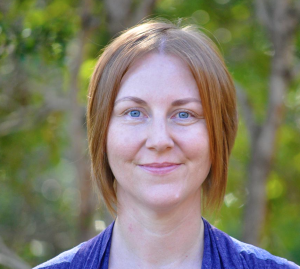
Professor Jennifer Boddy
Professor Jennifer Boddy is an internationally recognised researcher and leader in social work, with expertise in domestic violence, disaster response, and sustainability. Her work highlights the interconnections between human wellbeing and the natural environment, underpinned by a strong commitment to social justice and environmental responsibility. As Dean (Sustainable and Rankings) at Griffith University, she leads the institution’s Sustainability Strategy and environmental, social and governance reporting, aligning with the UN Sustainable Development Goals. Jennifer also serves on professional and accreditation bodies across Australia, New Zealand, and Hong Kong.
Since completing her PhD in 2009, Jennifer has established a strong research profile with more than 100 peer-reviewed publications, book chapters, and reports. She has secured over one million dollars in research funding and consultancies and supervised thirteen higher degree research students to completion. Her impact is reflected in citation metrics including a Google h-index of 26, alongside recognition as a leading scholar in social work and sustainability.
Professor Caroline Mansfield
Professor Caroline Mansfield is Executive Dean of Education at Edith Cowan University. Previously, she was Executive Dean of the Faculty of Education, Philosophy and Theology (2021–22) and Dean of the School of Education (2019–20) at the University of Notre Dame Australia. Prior to that, she held academic and leadership roles at Murdoch University (2005–18) following a decade in secondary teaching.
An international researcher in teacher resilience and wellbeing, Caroline has led numerous funded projects, translating findings into online resources that enhance teacher wellbeing in Australia and abroad. A 2016 Australian Learning and Teaching Fellow, she has driven innovation in higher education curriculum and student experience.
An ECU alumna (PhD, 2002), Caroline represents Western Australian Deans of Education on the Australian Council of Deans of Education Board.

Dr Sean McNeven
Dr Sean McNeven has had a long career in school education, beginning as a classroom teacher before moving into school middle leadership roles focused on engagement, inclusion, and student wellbeing. Sean is a recent PhD graduate of the School of Education and Professional Studies at Griffith University. The Constructivist Grounded Theory he undertook for his doctoral research focused on how well-being was successfully operationalised as a school-improvement imperative in four Queensland public high schools. The primary outcome of this research was the Nurturing School model, which identifies the practices, processes, structures, and cultural underpinnings that enable the promotion of wellbeing to improve schooling outcomes.

Dr Candace Kruger
Dr Candace Kruger, Yugambeh Elder and Songwoman, is a Senior Lecturer in the School of Education and Professional Studies at Griffith University. Aunty Candace is an educator, ethnomusicologist, and researcher, and the founder and Director of the Yugambeh Youth Choir. Her work centres on Indigenous knowledges, language revival, and community-led pedagogies that prioritise cultural safety and well-being for teachers and Indigenous communities. Deeply grounded in community practice, Dr Kruger works alongside Elders, educators, and young people to embed cultural protocols and relational learning in schools and universities, strengthening connections between Country, community, and classroom through song, story, and culturally responsive practice.
PLEASE NOTE the registration rates below DO NOT INCLUDE lunch catering. Self-catering is expected.
Explore Campus Eateries
ATEA MEMBER Rates (incl GST)
NON-MEMBER Rates (incl GST)
*A concessional delegate refers to individuals who meet one or more of the following criteria: Early Career Researchers, sessional academics, school-based teacher educators, Higher Degree Research students, those who are unwaged or retired, or individuals within five years of completing their PhD. To qualify, non-ATEA members will need to provide supporting evidence, ie. an institutional ID, an official letter from your employer or university, proof of enrolment, or any other relevant documentation.
Early Bird Rates Will Open 01 December 2025 to 31 May 2026
20% Discount off the Advertised Conference Rates For:
- Individuals who identify as Aboriginal or Torres Strait Islander
- Individuals who identify with disabilities or impairments
- School-Based practitioners
(** Contact admin@atea.edu.au before registering to enable discount)
Accommodation Recommendations & Discounts
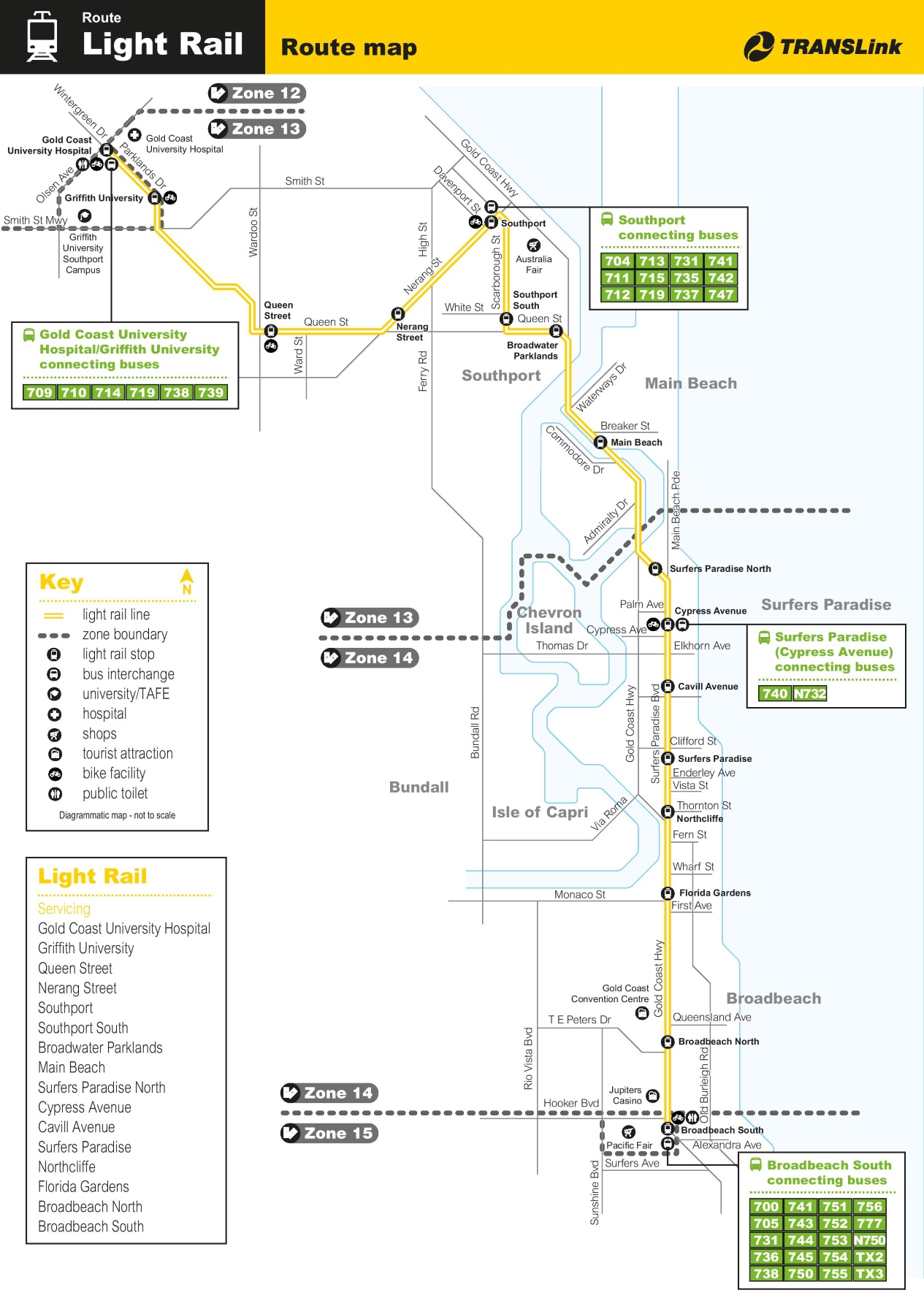
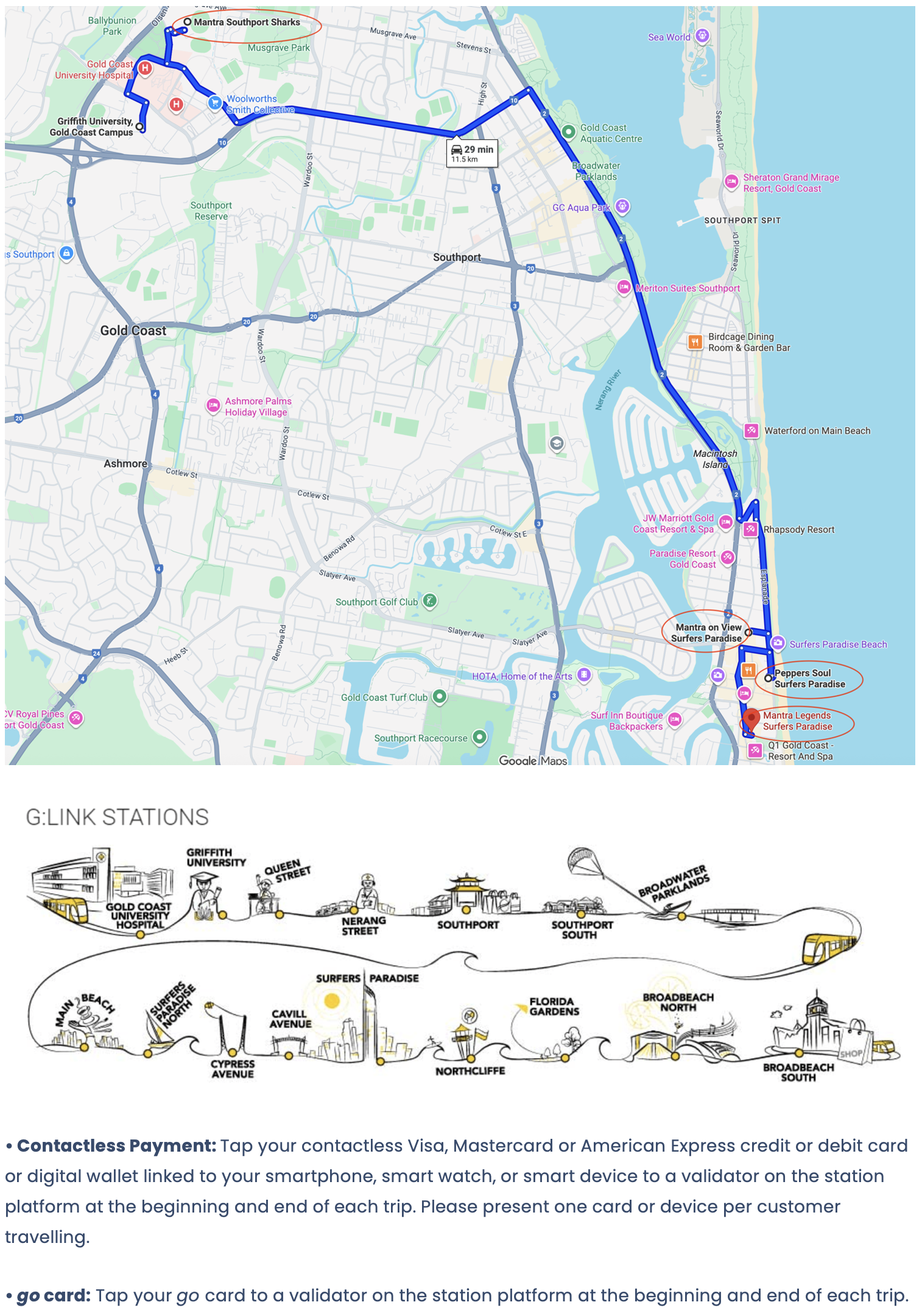
ATEA has secured a number of accommodation discounts for the 2026 Conference. However, Griffith University is easily accessible via the Gold Coast Light Rail system. When selecting your accommodation, we encourage you to consider proximity to a Light Rail station. The Gold Coast offers a wide range of options to suit every budget, from premium hotels to affordable stays, ensuring convenience and accessibility throughout your visit.
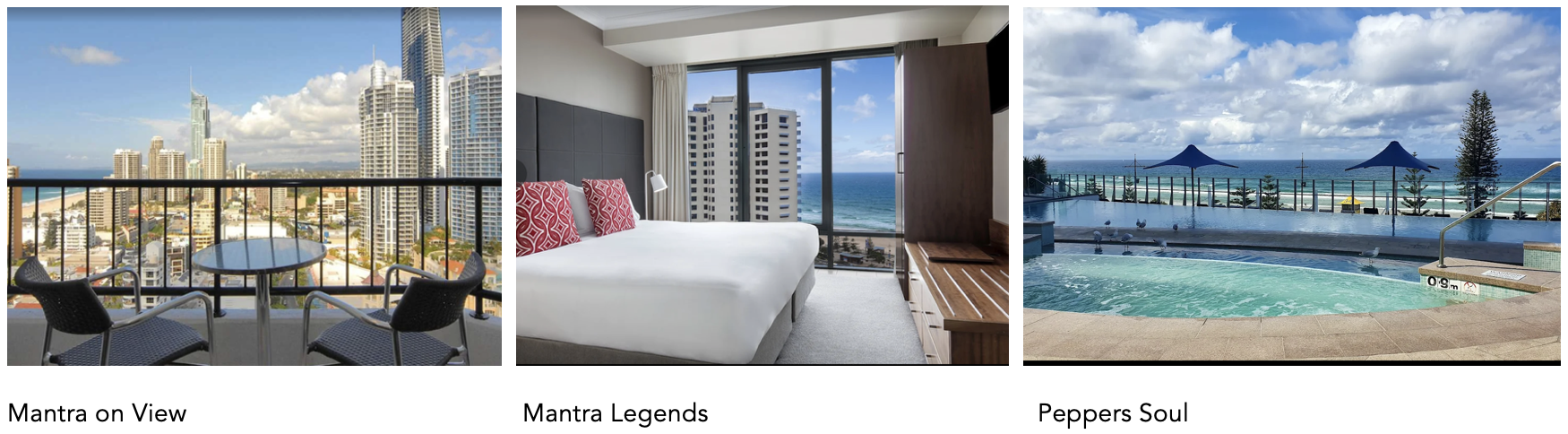
MANTRA HOTELS
Mantra on View, Mantra Legends, and Peppers Soul
Discount offered: 10% off the best available rate
Dates valid: 27 June – 03 July 2026
Promo Code: ATEA26
MANTRA SOUTHPORT SHARKS
Enjoy 15% off the best available rate.
To make a booking, call or email (not available online) and mention Promo Code: MSATEA26.
Dates valid: 29 June – 4 July 2026

Getting to Southport or Surfers Paradise
From Brisbane Airport
The easiest way to reach the Gold Coast from Brisbane Airport is via the Airtrain (approximately $25). The Airtrain connects with the G:link tram at Helensvale Station. From there, the tram runs through key stops including Parkwood, Gold Coast University Hospital, Griffith University, Queen Street, Nerang Street, Southport, Broadwater Parklands, Main Beach, and Surfers Paradise.
The G:link operates every 7.5 minutes during peak times, providing a fast and convenient connection between Helensvale and Broadbeach South.
Watch the video: https://www.airtrain.com.au/catch-airtrain-to/gold-coast-surfers-paradise/train-tram/
From Gold Coast Airport
From Gold Coast Airport (Coolangatta), taxis and rideshare services such as Uber are readily available. The trip to Southport or Surfers Paradise takes around 35–45 minutes, depending on traffic, and costs approximately $60–$90.
THANK YOU TO OUR 2026 CONFERENCE SPONSORS

INTERESTED IN BECOMING AN ATEA SPONSOR IN 2026? DOWNLOAD OUR SPONSORSHIP PROPOSAL, OR CONTACT admin@atea.edu.au.

